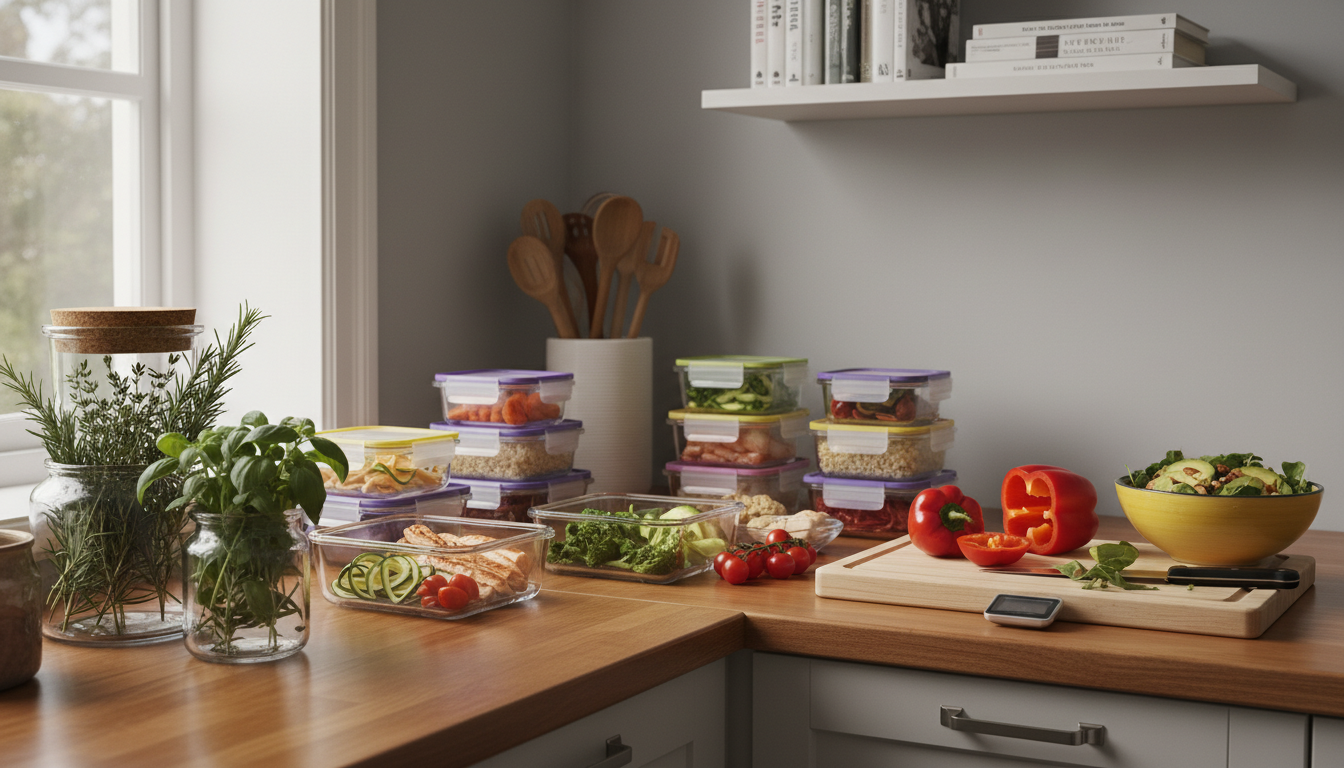
Creating an efficient meal prep station in a compact space is crucial for streamlining cooking routines and promoting healthy eating habits. A well-organized prep area helps save time and reduces stress in the kitchen.
By incorporating meal prep station essentials, individuals can maximize their space and create a functional area that meets their cooking needs. This setup is particularly beneficial for those with limited space, as it enables them to prepare healthy meals with ease.
Key Takeaways
- Efficient meal prep station setup is crucial for compact kitchens.
- Incorporating meal prep station essentials maximizes space and functionality.
- A well-organized prep area promotes healthy eating habits and reduces cooking stress.
- Compact meal prep stations can be tailored to individual cooking needs.
- Streamlining cooking routines saves time and increases productivity.
Understanding the Benefits of a Meal Prep Station
A well-designed meal prep station can revolutionize the way you cook, making meal preparation a breeze. By integrating various kitchen tasks into one area, you can significantly enhance your cooking efficiency.
Save Time and Reduce Stress
One of the primary advantages of having a meal prep station is the ability to save time during meal preparation. By having all the necessary tools and ingredients in one place, you can quickly prepare meals without the hassle of searching for utensils or ingredients across the kitchen.
This streamlined process not only saves time but also reduces stress associated with cooking. When everything you need is at your fingertips, you can focus on the cooking process itself, making it more enjoyable.
Promote Healthy Eating Habits
A meal prep station encourages healthy eating habits by allowing you to plan and prepare nutritious meals in advance. By having a dedicated space for meal preparation, you’re more likely to prepare balanced meals rather than relying on last-minute, often unhealthy, options.
Moreover, a well-organized meal prep station makes it easier to follow recipes and experiment with new, healthy ingredients, further promoting a balanced diet.
Budget-Friendly Meal Planning
Meal prep stations also facilitate budget-friendly meal planning. By planning your meals around what’s on sale and buying ingredients in bulk, you can significantly reduce your grocery bills.
Additionally, having a clear overview of your ingredients and planned meals helps reduce food waste, contributing to a more cost-effective approach to cooking.
Choosing the Right Location for Your Setup
The right location for your meal prep station can significantly impact your cooking efficiency and overall experience. When deciding where to set up, you’ll want to consider a few key factors to ensure your kitchen is both functional and comfortable.
Assessing Available Space
Begin by assessing the available space in your kitchen. Measure your counters, consider the layout, and think about the workflow you want to achieve. For small kitchens, a space-saving meal prep station is essential. Look for areas that are often underutilized, such as corners or the space between appliances.
Utilizing small kitchen storage solutions can also help maximize your available space. Consider installing shelves, using stackable containers, or investing in a cart or island that can provide additional counter space and storage.
Considering Natural Light and Ventilation
Natural light and ventilation are crucial for making your meal prep experience more enjoyable. If possible, position your meal prep station near a window to take advantage of natural light. This not only makes the space more pleasant to work in but can also help reduce the need for artificial lighting.
Adequate ventilation is also important, especially when cooking involves frying or using strong ingredients. Ensure that your meal prep area is well-ventilated to prevent the buildup of cooking fumes and to keep your kitchen smelling fresh.
Essential Tools for Your Meal Prep Station
To maximize efficiency in your kitchen, it’s essential to have the right meal prep tools. A well-organized meal prep station not only simplifies food preparation but also makes the entire cooking process more enjoyable.
Must-Have Kitchen Gadgets
Investing in the right kitchen gadgets can significantly enhance your meal prep experience. Some of the must-have gadgets include a high-quality chef’s knife, a cutting board, and measuring cups and spoons. Additionally, consider investing in a slow cooker, instant pot, or food processor to simplify cooking and prep tasks.
Here are some essential gadgets to consider:
- Immersion blender for soups and sauces
- Stand mixer for baking and mixing
- Spiralizer for creating healthy noodle alternatives
Storage Solutions for Ingredients
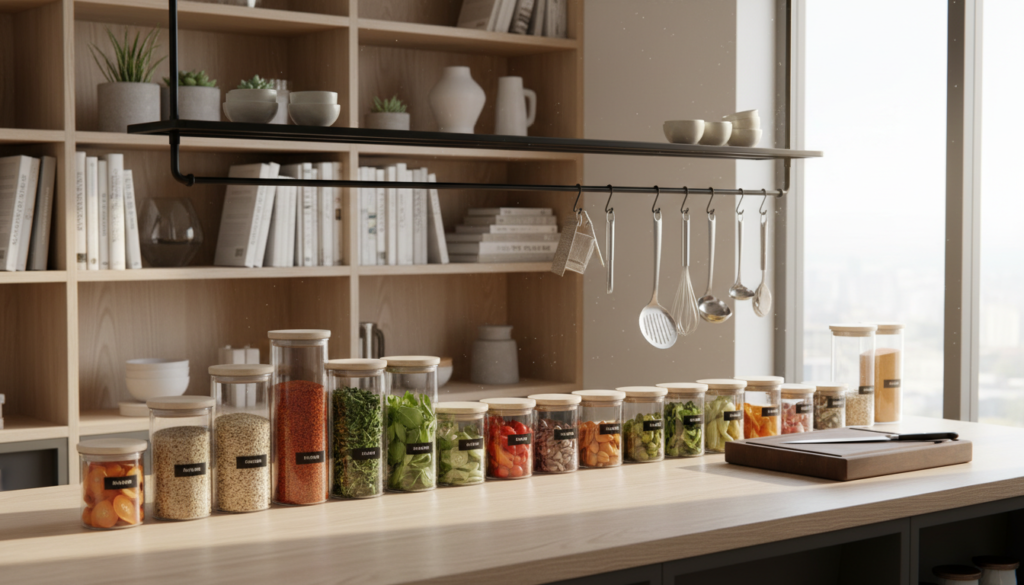
Proper storage is crucial for maintaining the freshness and quality of your ingredients. Consider using airtight containers, glass jars, or stackable bins to store your ingredients. Labeling your containers can also help you quickly identify what’s inside, making meal prep more efficient.
| Storage Solution | Benefits |
|---|---|
| Airtight Containers | Keep ingredients fresh, prevent spills |
| Glass Jars | Non-reactive, easy to clean, visible contents |
| Stackable Bins | Maximize storage space, keep ingredients organized |
Choosing the Right Cutting Boards
A good cutting board is a fundamental tool in any kitchen. When choosing a cutting board, consider the material, size, and maintenance requirements. Wooden cutting boards are durable and gentle on knives, while plastic cutting boards are easy to clean and sanitize.
By incorporating these essential tools into your meal prep station, you’ll be well on your way to creating a efficient and enjoyable cooking space.
Organizing Your Ingredients
To maximize efficiency in your small kitchen, it’s crucial to have a system for organizing ingredients. A well-organized meal prep station not only saves time but also reduces stress and promotes healthy eating habits.
Labeling and Storing Produce
Proper labeling and storage of produce are critical for maintaining freshness and making the most of your kitchen space. Use clear labels and categorize your produce by type or frequency of use. For example, you can store frequently used items like onions and potatoes in easy-to-access locations, while less frequently used items can be stored in higher or lower cabinets.
- Use breathable bags or containers to store fruits and vegetables.
- Keep similar items together, such as all your root vegetables in one area.
- Label containers with the date and contents to ensure older items are used first.
Utilizing Clear Containers
Clear containers are a game-changer for kitchen organization. They allow you to see exactly what’s inside without having to open each container. This not only saves time but also helps in planning meals and avoiding duplicate purchases.
- Choose containers that are airtight to keep ingredients fresh.
- Stackable containers can help maximize storage space.
- Use baskets or bins for items like grains or snacks.
Maintaining Freshness and Hygiene
Maintaining the freshness and hygiene of your ingredients is paramount. Regularly clean your storage containers and check the expiration dates of your ingredients.
- Rotate your stock to ensure older items are used before they expire.
- Store ingredients in a cool, dry place away from direct sunlight.
- Keep your kitchen counters and sinks clean to prevent cross-contamination.
By implementing these strategies, you can create a meal prep station that is not only efficient but also a joy to work in. Organizing your ingredients effectively is a crucial step towards making meal prep a sustainable part of your routine.
Creating a Workflow for Meal Prep
To get the most out of your meal prep station, it’s essential to develop a workflow that streamlines your cooking process. An efficient workflow helps in saving time, reducing stress, and ensuring that meal preparation is a smooth and enjoyable experience.
Steps for an Efficient Prep Process
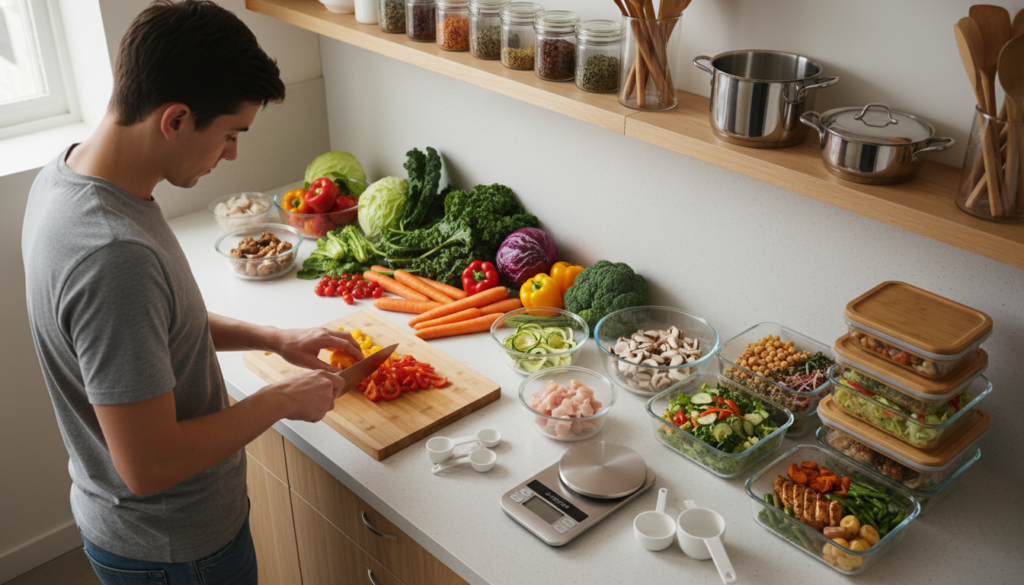
An efficient meal prep process involves several key steps. First, plan your meals for the week, considering your dietary needs and preferences. Next, make a grocery list based on your meal plan and shop for fresh ingredients. Upon returning to your kitchen, start by washing, chopping, and preparing your ingredients. This step is crucial as it sets the stage for the actual cooking.
Once your ingredients are ready, begin cooking according to your meal plan. It’s helpful to cook in batches to save time and ensure that you have a variety of meals ready throughout the week.
| Step | Description | Time Saved |
|---|---|---|
| Meal Planning | Plan meals for the week | 30 minutes |
| Grocery Shopping | Shop based on meal plan | 45 minutes |
| Ingredient Prep | Wash, chop, and prepare ingredients | 1 hour |
Timing Your Cooking Sessions
Timing is everything when it comes to cooking. To avoid overlap and ensure that your meals are ready at the same time, create a cooking schedule. Start with dishes that take the longest to cook, and work your way down to quicker meals.
Multi-tasking is also key. While one dish is cooking, use the waiting time to prep or cook another meal. This technique maximizes your time and efficiency in the kitchen.
Multi-Tasking Techniques
Multi-tasking in the kitchen can be achieved by doing several tasks simultaneously. For example, while waiting for water to boil, chop vegetables for the next meal. Use a timer to keep track of different dishes and ensure everything is cooked to perfection.
Effective multi-tasking not only saves time but also makes the cooking process more enjoyable.
Meal Prepping for Dietary Needs
A well-planned meal prep station can be a game-changer for individuals with specific dietary needs. Whether you’re catering to personal preferences, dietary restrictions, or athletic requirements, a customized meal prep approach ensures everyone has access to nutritious meals.
Customizing for Dietary Restrictions
For individuals with dietary restrictions, such as gluten-free, dairy-free, or low-carb diets, meal prep can be tailored to meet these needs. Start by identifying the ingredients that need to be avoided and finding suitable alternatives. For example, using cauliflower rice instead of regular rice for a low-carb diet or opting for gluten-free pasta.
Labeling and organizing your ingredients is crucial in a compact meal prep station. Clear labels help in quickly identifying which ingredients are safe to use for different dietary needs, making the meal prep process smoother and more efficient.
Vegetarian and Vegan Options
Vegetarian and vegan diets are rich in variety and can be easily incorporated into a meal prep routine. Focus on plant-based proteins like beans, lentils, and tofu, and don’t forget to include a wide range of vegetables and whole grains. Quinoa salads, lentil soups, and roasted vegetable bowls are excellent options.
When preparing meal prep station essentials for vegetarian and vegan diets, ensure you’re getting enough vitamin B12, iron, and omega-3 fatty acids from plant-based sources. Nutritional yeast, fortified plant milk, and flaxseeds are valuable additions.
Meal Prep for Athletes
Athletes have unique nutritional needs that depend on their sport, training intensity, and personal health goals. Meal prep for athletes involves balancing carbohydrates, proteins, and fats to support energy needs and recovery. Complex carbohydrates like brown rice and sweet potatoes, lean proteins such as chicken and fish, and healthy fats from nuts and avocados are staples.
Timing is also crucial for athletes. Pre-workout meals should be consumed 1-3 hours before training and include easily digestible carbohydrates and a bit of protein. Post-workout meals should focus on recovery, combining proteins and carbohydrates within 30-60 minutes after exercise.
Cleaning and Maintenance of Your Station
Keeping your meal prep station clean and organized is essential for kitchen efficiency. A well-maintained station not only enhances your cooking experience but also ensures health and safety in the kitchen. In this section, we’ll explore the importance of daily cleaning and provide tips for a thorough monthly deep clean.
Daily Cleaning Checklist
To maintain a hygienic and efficient meal prep station, follow this daily cleaning checklist:
- Wipe down all surfaces with a damp cloth after each use.
- Clean utensils and gadgets immediately after meal prep.
- Sweep or vacuum the floor to remove any debris.
- Check and empty trash and recycling bins.
Daily cleaning habits will make your meal prep process smoother and more enjoyable. By dedicating a few minutes each day to cleaning, you’ll prevent the buildup of grime and bacteria, ensuring a healthier cooking environment.
Monthly Deep Clean Tips
In addition to daily cleaning, a monthly deep clean is necessary to tackle harder-to-clean areas and maintain your meal prep station’s overall condition. Here are some tips:
| Area | Cleaning Task |
|---|---|
| Refrigerator | Remove all contents and wipe down shelves and walls. |
| Oven | Use a heavy-duty cleaner to remove grime and food residue. |
| Cabinets | Wipe down doors and handles, and organize contents. |
Monthly deep cleaning not only keeps your kitchen looking its best but also helps in maintaining the longevity of your appliances and equipment.
Incorporating Meal Prep into Your Routine
To reap the benefits of a meal prep station, integrating it into your routine is essential. By doing so, you can simplify your meal planning process, save time, and promote healthy eating habits.
Establishing a Prep Schedule
Creating a meal prep schedule that fits your lifestyle is crucial. Consider your dietary needs, cooking skills, and the number of meals you want to prep. Start by planning your meals for the week, making a grocery list, and setting aside a specific day for meal prep. For instance, you can dedicate Sunday afternoons to preparing meals for the upcoming week.
Here are some tips to help you establish a prep schedule:
- Plan your meals around your schedule, ensuring you have enough time to cook and reheat.
- Make a grocery list based on your meal plan to avoid last-minute purchases.
- Set reminders for your meal prep day to stay on track.
Involving Family in Meal Prep
Involving your family in meal prep can make the process more enjoyable and collaborative. Assign tasks to each member based on their age and skill level. For example, children can help with simple tasks like washing vegetables or mixing ingredients, while adults can handle more complex tasks like cooking and portioning.
Benefits of involving family in meal prep include:
- Teaching children about meal planning and cooking.
- Sharing the workload, making meal prep less time-consuming.
- Encouraging healthy eating habits among family members.
Making it Fun and Engaging
To keep meal prep exciting, try new recipes, ingredients, and cooking techniques. You can also make meal prep a fun, bonding experience by listening to music or podcasts while you cook.
Some ideas to make meal prep more engaging include:
- Experimenting with new cuisines or recipes.
- Creating a “meal prep challenge” with family members or friends.
- Using colorful, vibrant ingredients to make meals visually appealing.
By incorporating meal prep into your routine, establishing a prep schedule, involving your family, and making it fun, you can enjoy the benefits of a DIY meal prep station and maintain a healthy, balanced diet.
Troubleshooting Common Meal Prep Issues
Even with a well-designed space-saving meal prep station, challenges can arise. Common issues include food waste, excess food from large recipes, and preparation fatigue. Addressing these problems is crucial to maintaining a functional and efficient meal prep routine.
Managing Food Waste
To minimize waste, plan meals around seasonal produce and use up leftovers creatively. A well-organized meal prep station design can help you keep track of ingredients and their expiration dates, ensuring you use them before they go bad.
Scaling Recipes
Adjusting recipe quantities is essential for avoiding excess food. Consider using smaller containers or dividing large batches into individual portions. This approach not only reduces waste but also saves time during meal prep.
Maintaining Motivation
Preparation fatigue can be overcome by varying your meal prep tasks and involving others in the process. A space-saving meal prep station can be designed to be enjoyable and engaging, making meal prep a sustainable part of your routine.
By addressing these common issues, you can ensure your meal prep station remains a valuable tool for healthy eating and stress reduction.